
Non-linear approaches to course structure that improve learning


You may also like
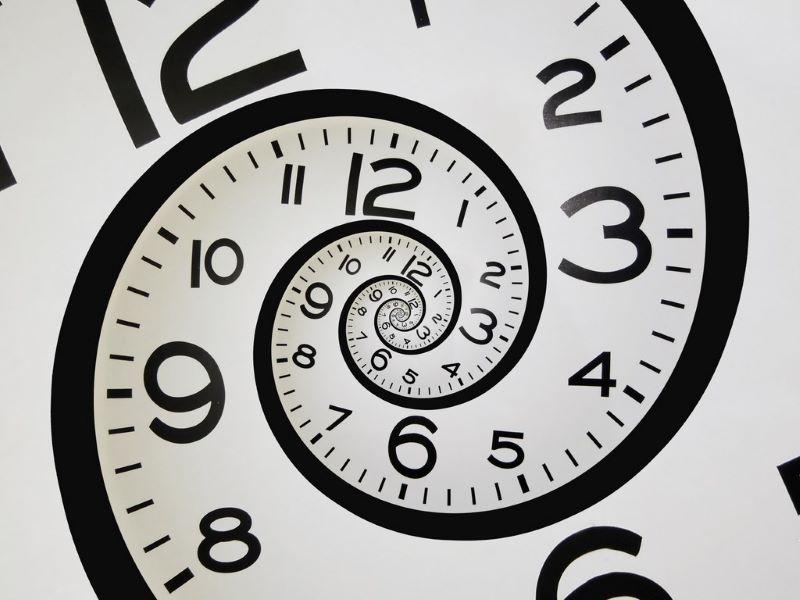
According to David Tennant鈥檚 incarnation of Doctor Who, time is not linear, rather 鈥渋t鈥檚 more of a big ball of wibbly wobbly timey wimey...stuff鈥�.
In higher education we mostly use the 鈥渓inear path鈥� version of time. We give a lecture on a topic, then maybe a seminar on how to understand it, then an assessment. This approach makes a lot of sense since students need to know about things before understanding them, and students need to understand things before being assessed on them.
But what if that weren鈥檛 the case? What if course structure was just a little more 鈥渨ibbly wobbly timey wimey鈥�?
Pre-pandemic this would have been quite difficult. However, the accelerated use of tools such as lecture video recording and shared Google Slides mean that, with a little creative licence, you can approach course structure in a very different way. Here are some tips for alternative timelines. Not all of them work all the time; like any teaching technique the skill is knowing when to use them.
- Chunking lectures 鈥� it鈥檚 a no brainer
- Creating advice videos to help students and support your teaching
- Recording effective microlectures
Tip 1: Non-linear lectures
Most traditional lectures are an hour long. This is because in the physical world the effort of getting everyone together is only really worth it for something substantial. And most timetables are broken down into hour-long chunks.
But with an online lecture this no longer applies. Since a lecture does not require the same level of interaction as a seminar, it makes sense for it to be pre-recorded. Then students can watch the lectures at 3am if they so wish.
There is no need to stick to the one-hour format. If a lecture covers multiple concepts, use a separate video for each one, making it easier for students when they are revising. With a little extra planning you can make videos watchable in any order. You can direct students in the same way YouTubers recommend related content: 鈥�...if you want more details check out the link in the description鈥�.
If you are explaining a complex concept that you would struggle to fit into an hour, make a series of short videos in a playlist. Your big concept then becomes the 鈥渟eries arc鈥�.
When thinking of lectures in this 鈥淭V showrunner鈥� mode, you can be more flexible with time. You can introduce a mystery at the start and slowly 鈥渟olve鈥� it as you explain the theory. Try to end each episode on a question to encourage students to think between videos.
This goes right against the classic teaching rule: 鈥淭ell them what you are going to tell them, tell them, then tell them what you told them鈥�. The triplet rule makes sense if you only have one shot at getting the information across. But if students can rewatch lectures online over and over then you can build upon their knowledge and understanding in small incremental steps.
Tip 2a: Continuous assessment
This is easier said than done but try to scatter assessments throughout the whole module. Keep early ones formative rather than summative, and concentrate not on specific knowledge but on critical thinking skills. Students probably won鈥檛 have much specific knowledge early on.
Students generally hate this, but once they realise you are training them in key academic skills they start to get on board.
The only issue is scaling. It鈥檚 hard to give useful feedback on a large number of formative assessments. To scale the early tests, keep the activity tiny, so you can read all of them quickly and still have time to provide useful feedback.
It you have a particularly huge cohort, peer marking can be an option. The only issue being that you鈥檒l need to design formative assessments that don鈥檛 quite match final assessments 鈥� to avoid rampant accidental plagiarism.
Tip 2b: Continuous assessment, for lecturers
Continuous assessment can work for assessing and refining your own teaching as well. Provide as many options for feedback as possible. Don鈥檛 wait until the end of term to find out you are not reaching the students. Regular surveys can help you check understanding and get a feel for how students are reacting to any new techniques you are trying out.
Like formative assessments, keep these tiny. The smallest I鈥檝e found useful is 鈥渟top, start, continue鈥�. Three open questions, answered anonymously by my students. 鈥淲hat should I stop doing, start doing and continue doing?鈥�
In some cases, I鈥檝e had to follow up on contradictory answers with a more detailed feedback survey. But as a general 鈥渇inger in the air鈥� check, it鈥檚 a good starting point.
Tip 3: Use Google Slides as your teaching assistant
This one is tricky and works better remotely. But you could possibly make it work in a live class. It relies on you basing seminar activities on shared Google Slides or similar. I started doing this when we were fully remote so students could collaborate in class. However, it worked so well I now use the same approach in live classes.
You can be your own teaching assistant by predicting areas where students will get stuck, recording little helper videos and embedding them in your Google slides. This way students can watch you explain things while you are not there.
This is particularly good if they didn鈥檛 pay attention when the activity was being explained. Or if they are returning to the Google Slides for revision and can鈥檛 remember the context. You can get good results with typed instructions as well, if you don鈥檛 want to mess about embedding videos.
So, there are my three tips. I hope they are helpful.
Now I must be going. I have a class I can鈥檛 be late for 鈥� yesterday.
Chris Jones is an entrepreneurship tutor at .
If you would like advice and insight from academics and university staff delivered directly to your inbox each week, .
Additional Links
Hear more from Chris Jones on his podcast .
