
Say my name: the importance of correct terms, titles and pronunciation


You may also like
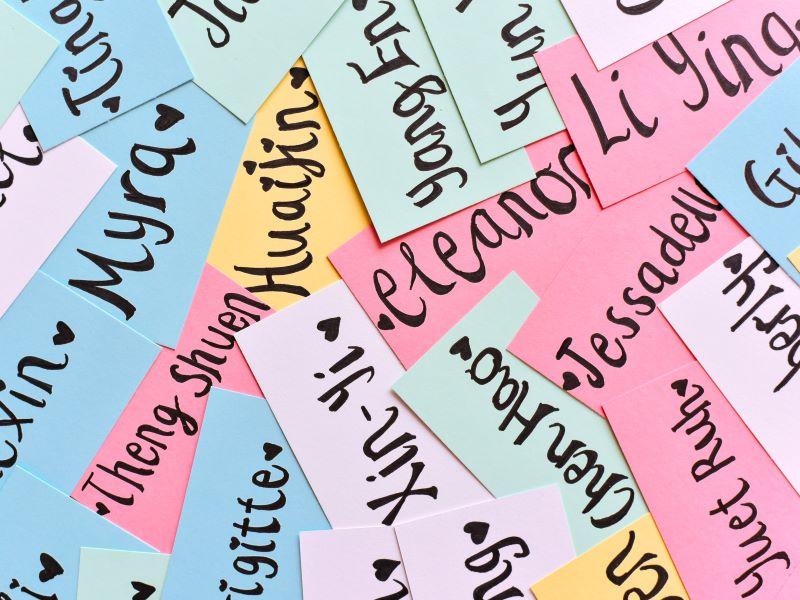
Our names are entwined with our personal identities, often chosen with care and laden with meaning, yet for many students and staff their university experience is spent with a name they do not feel is their own, either because they feel compelled to adapt their name or adopt a new name entirely to 鈥渇it in鈥�, or because their name is routinely mispronounced.
Being called by our names is powerful. It encourages a sense of visibility, connection and belonging. However, little attention is paid to the importance of saying names, and saying them right, as a way to respect the identity, race, ethnicity 鈥� indeed individuality 鈥� of others, or to addressing the negative impacts of having names routinely mispronounced or avoided.
- What鈥檚 in a name? The whys and hows of pronouncing students鈥� names correctly
- Purposefully building identity and belonging among students
- Creating a welcoming and inclusive online learning community
In summer 2021, the Community Values Education Programme at the University of Warwick explored the importance of names to feelings of inclusion as part of its project.
Following in-depth interviews and an online survey answered by more than 800 staff and students, we co-developed with staff and students with 鈥渦nfamiliar鈥� names recommendations about how to manage uncertainty over names in a respectful way, to help foster equitable, culturally responsive interactions within universities and beyond, that build a sense of belonging. These guidelines are not strictures to shame those who get it wrong 鈥� there are many reasons our pronunciation of names may be imperfect 鈥� but rather prompts to raise awareness of the importance of respecting and celebrating names in efforts to build inclusive, welcoming learning spaces, and to encourage us all to learn more about the person behind the name. Often, small steps can make a big difference.
Focusing on pronunciation
Don鈥檛 assume that you know how to pronounce someone鈥檚 name 鈥� ask 鈥� even if you have known someone a while. If in doubt, ask again.
A person鈥檚 name is a part of their identity, so treat it with the respect that you would treat other parts of the person鈥檚 identity: be mindful not to joke or comment about a name or to change or shorten it. Avoid characterising a name as 鈥渢ricky鈥� or 鈥渄ifficult鈥� 鈥� it is neither to the name-bearer.
Listening to the individual
The name-bearer is the authority on how their name should be spelled or pronounced. Be guided by them. Listen to how the name-bearer pronounces their name.
Be open to learning new things and to being corrected. When you hear a name for the first time, repeat it to the name-bearer and invite them to correct your pronunciation. If someone corrects you, thank them, make the correction, and move on.
Modelling correct name use
Model greeting everyone by name, using their name in interactions and caring about correct pronunciation of names 鈥� encouraging everyone to check and to correct pronunciation when needed.
shows that brains 鈥渓ight up鈥� when someone hears their own name, while mispronunciation can feel alienating. Tools such as and can help, as can more simple solutions like creating a space for people to introduce themselves.
If you are in a position of influence, getting the pronunciation of names correct is even more important because others may be reluctant to correct you and will follow your lead.
Avoiding using someone鈥檚 name can make the name-bearer feel invisible or unheard. If you have forgotten a name or its correct pronunciation, ask to be reminded, use the name and move on. Ask privately if possible.
Preparing in advance to use names
Prepare ahead: our research found that people appreciated efforts to anticipate situations by checking pronunciation in advance, with the name-bearer if possible, or with others or websites such as (do check accuracy with the name-bearer themselves).
Question your assumptions
Check your assumptions to ensure that you have not confused surnames and first names 鈥� this is easy to do when the surname can also be a first name 鈥� and that you are not assuming someone鈥檚 gender, ethnicity or nationality from their name.
Where a name can be pronounced differently, check that you are using the pronunciation preferred by the name-bearer. Don鈥檛 trust the spelling of names as a reliable guide pronunciation 鈥� ask. Check that you are using someone鈥檚 correct title and pronoun. For example, female academics report often being called 鈥淢rs鈥� rather than 鈥淒r鈥�.
Normalise awareness of correct pronunciation
Help to create a culture where care about pronunciation is standard by normalising the use of audio name badges and pronunciation guides in email signatures and profiles (these can be easily created for free using ). Encourage employers to include the importance of names in equality, diversity and inclusivity training and to embed institutionally tools, such as audio name files, that support individuals to respect names.
Pay attention to the details
Pay attention to how emails are signed (Sam/Samuel; Rav/Ravinder) and to how someone introduces themselves to understand how the name-bearer would like to be addressed 鈥� this might be different from the name in the email address.
One letter can make all the difference: it might suggest to someone that you do not care enough to get it right (for example, Anne/Ann) or it might mean that you are calling someone a completely different name (for example, Jane/Janet; Tim/Tom). For some, misnaming can feed into a much wider pattern of discrimination and harassment.
Take a moment to check spellings 鈥� errors are less forgivable and often cause practical problems if made in official documents.
Help others get it right
Some find it difficult to correct mispronunciations of their names, but the longer a name is mispronounced, the harder it is to change that. If you hear someone鈥檚 name being shortened or mispronounced when they are not there, offer some help: 鈥淚 think the 鈥榟鈥� is silent in her name.鈥� 鈥淎re you talking about Thomas? He doesn鈥檛 go by 鈥楾om鈥�.鈥�
If people often find your name difficult to pronounce or spell, offer some tips along with your introduction, such as, 鈥淗i, my name is Enis, like 鈥榯ennis鈥�.鈥�
In most cases, people do not intentionally get names wrong, although they may not be proactive in preventing mistakes. However, sometimes people do intentionally mispronounce or abuse someone鈥檚 name, which may be an act of harassment that requires further support.
Jane Bryan is reader in the 鈥檚 law school and academic lead on the Community Values Education programme, working with programme manager Puja Laporte. Thanks to Puja for her valuable comments on an earlier draft of these guidelines.
If you would like advice and insight from academics and university staff delivered direct to your inbox each week, .
Additional Links
You can find more information about the , as well as further resources and guidance for teachers and leaders.
