Change in higher education is hard, but not impossible
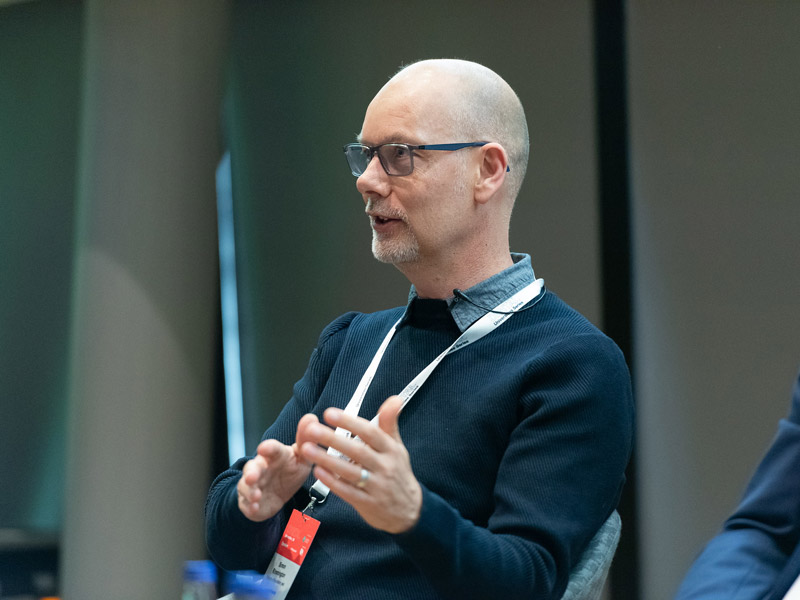
Transformational change requires something closer to the culture of a start-up, which pilots and tests new ideas, takes risks and prizes creative disruption, writes Brian Rosenberg
Higher education will be instrumental in determining whether generative AI ends up as a friend or enemy. Ibiyemi Omeihe and Kingsley O. Omeihe outline what universities can do at this crucial tipping point
Fear of being tokenistic, or feeling they don’t know enough to start, can stop many people from engaging with queer inclusion. Here, Brooke Szücs offers first steps towards allyship
Through exercises borrowed from improvisational theatre, students can use imaginative thinking and creative problem-solving, learn to think outside the box and embrace ambiguity, writes Joe Conto. Here, he offers ways to help the post-Covid generation reconnect
With the acceleration of technology, the university experience is changing. As academics, it’s up to us to guide our students through this new normal of learning, navigating information and socialising, writes Nazlihasri Abdul Rahman
Introducing small departmental communication programmes can help students improve writing and presentation skills without overburdening faculty or requiring massive curriculum changes
Institutions looking to deliver experience-driven learning face several challenges, ranging from costs to compliance
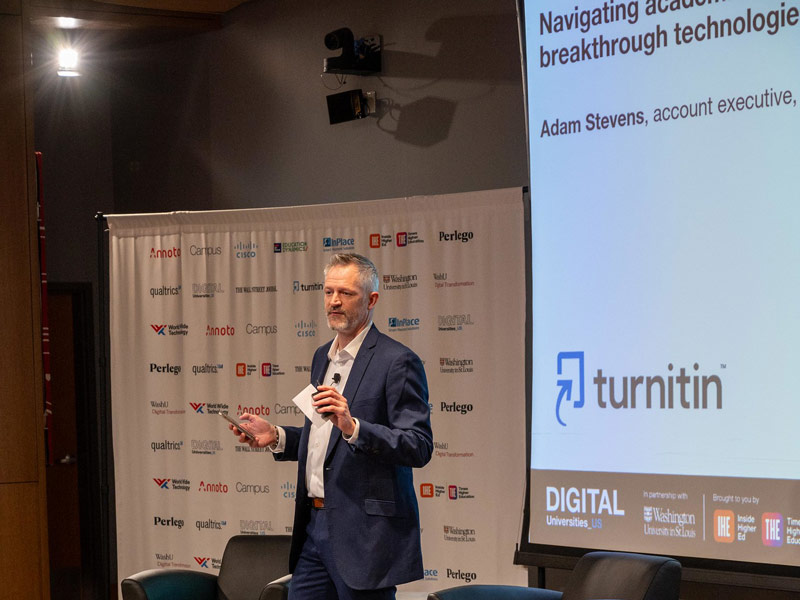
As breakthrough technologies widen the gap between tradition and innovation, higher education has the chance to use these tools to renew approaches to learning
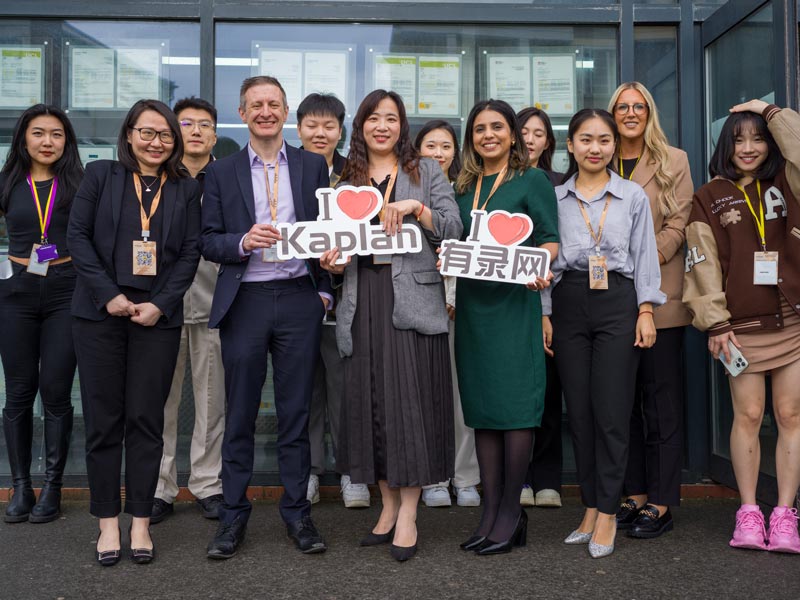
Uoffer Global, in collaboration with White Swan, organises impactful events to help aspiring international students understand the rigorous selection criteria of pathway courses and promote opportunities for talented students
If the end goal is to get students interested in the learning process, these non-verbal cues used in teacher-student communication can enable you to build trust and enhance your impact as a teacher and a communicator, writes Shruthi V. Shetty
What happens when a literary scholar turns her attention to local archives such as inventories and court records? English professor Alexandra Harris talks about writing history, uncovering centuries of silent lives for her new book, and the interdisciplinary power of the humanities
Researchers who navigate emotionally challenging topics need support that includes well-being plans, advice on handling distress and risk assessment guidance, writes Tina Skinner. Her work has led to a series of resources for universities
Universities can use data insights from end-to-end digital platforms to drive student learning engagement and improve academic outcomes
Open dialogues with stakeholders and the integration of microcredentials and AI can assist universities in preparing graduates to excel professionally
The viva voce exam is the final hurdle for PhD students, but for most it is also a new and fear-inducing experience. Edward Mills offers one framework to help those preparing to discuss their completed thesis at length