
How stackable credits are helping universities better meet the demands of employers and students



FutureLearn
Find out more about bite-sized, flexible learning with FutureLearn
As students demand flexibility from higher education institutions, a greater focus on stackable credits has emerged. A stackable microcredential can be valuable on its own 鈥� worth between 5 and 30 academic credits 鈥� or it can serve as a building block to a larger certificate, but, crucially, it is about engaging with student learning in a more flexible way. They have become particularly pertinent as the demand for microcredentials has increased across the sector.
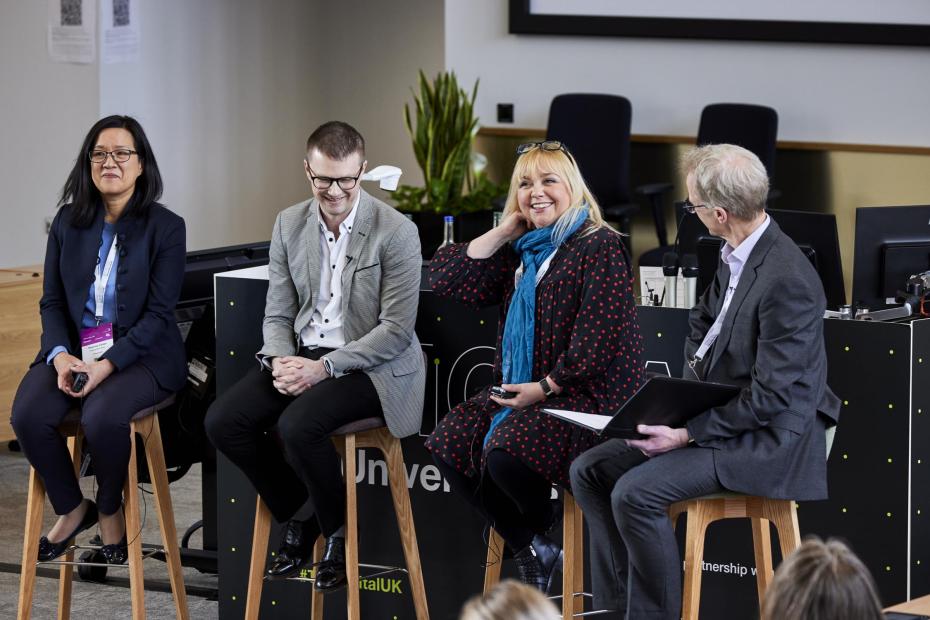
At the 2023 色盒直播 Digital Universities UK event, academics were joined by leaders from digital education platform FutureLearn to discuss the rise of stackability and why it is increasingly important to students. was titled 鈥淎re stackable credits the future of education? Learn from the trailblazers paving the way鈥�.
During the panel, FutureLearn鈥檚 partners shared their insights into how they have launched stackable credits at their institutions. 鈥淲e recognised the bespoke requirements of different institutions and how they deliver education in different ways,鈥� said Mel Bull, assistant head of postgraduate and executive education at Nottingham Trent University鈥檚 Business School. 鈥淭hat鈥檚 why we鈥檝e really focused on creating a flexible framework to allow credit transfer cross-institutionally.鈥�
Mike Bennett, Head of Portfolio and Learning Design at King鈥檚 College London talked about their approach to stackability, 鈥淲e鈥檝e developed our own stackable framework for continuing professional development [CPD]. For us, CPD is nothing new, but the difference here is how credits are accumulated, we want to ensure that individuals and employers can meet their specific requirements without the need to do an entire degree.鈥�
As careers and industries evolve, the importance of reskilling and upskilling using flexible and stackable courses will rise in prominence. But this will require a shift in how higher education certificates are delivered and awarded.
鈥淲e made the decision early on that we wanted a multidisciplinary framework,鈥� Bennett said. 鈥淲e have been able to do this because King鈥檚 formed a quasi-faculty called the School of Professional Continuing Education. This is academic-led but works alongside our existing faculties.鈥�
Bull believes that a truly flexible accredited learning experience allows people to transfer and stack their credits cross-institutionally to earn a full degree-level qualification. Using a marketplace platform like FutureLearn can resolve many of the complications the institutions face when planning for and delivering stackable learning, such as with admissions, marketing, finance and data. 鈥淥ften institutions may have received funding to create microcredentials but do not have support around marketing them,鈥� said Yvonne Chien, chief growth officer at FutureLearn. 鈥淭his is where a marketplace like FutureLearn could provide real value.鈥�
鈥淭he stackable framework presents an opportunity to make quality higher education more accessible,鈥� Bennett said. 鈥淭his may take time, but we are getting more and more stakeholders on-side.鈥�
about FutureLearn.
