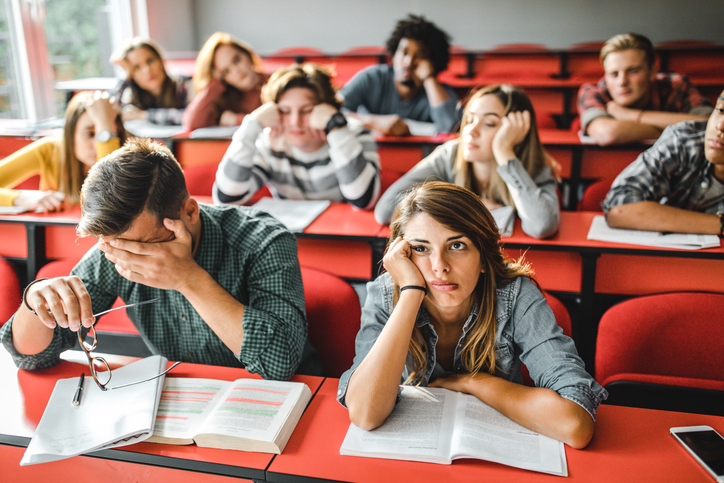
How to let students fail – so they can bounce back
If we’re preparing students for the outside world, they need to be resilient and agile. Here’s how AI avatars could help
As GenAI reshapes the way students and professionals work with code, it changes the competencies educators should assess. Here’s what they could look like
When you fall out of love with your scholarly subject, leaving the silo can mean a painful separation. But with a break-up can also come a chance to rekindle academic passion. Here’s how to get out and move on
What you should know about how students with ADHD learn and how to take a strengths-based approach
Good teaching cannot be owned or defined by any one person or group, writes David Mather. He calls for more open discussion and exploration of what constitutes quality teaching
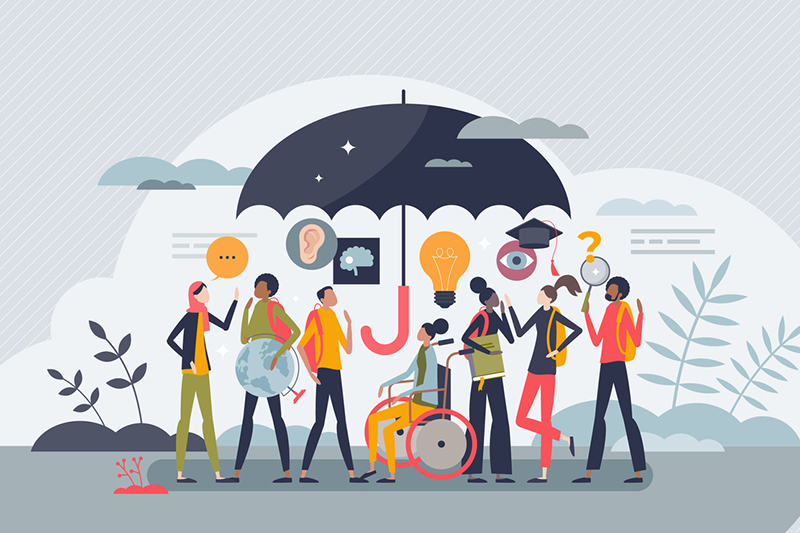
Build a more inclusive and linguistically sensitive learning environment for global students with these tips
Inspiring future generations of STEM scholars demands more than just a one-time introduction to science or engineering. Lasting impact comes from ongoing learning experiences, mentorship and institutional support, writes Keisha Simmons
A virtual assistant can make learning seamless, ubiquitous and scalable while addressing common faculty concerns regarding AI integration. Here’s how
Experiential learning projects that push students outside their disciplinary comfort zones can prompt real-world change. Learn why co-creation, interdisciplinarity and real-world relevance are key
When applied thoughtfully, agentic AI has the potential to turn classrooms into environments where students actively explore complex systems rather than passively absorb information
Open science has become a strategic priority for universities across Europe. The challenge has shifted beyond expanding access to ensuring that reliable, high-quality science can travel farther than publication
Advice on how to make university laboratories more environmentally sustainable
Sustainability doesn’t have to be a big project. Instead, make it a part of what science departments do daily, writes Deirdre Black
Small-group discussions and one-to-ones can expand students’ capacity to act, think and communicate, writes Alastair Bonnett. Here, he offers a model for shifting university teaching from macro to micro
How can universities develop sophisticated systems for data sharing and analysis that can guide communications and student services? Alain Pompilus was tasked with putting such a system in place and shares lessons from the experience