Tips to integrate sustainability into day-to-day university lab practice
Sustainability doesn鈥檛 have to be a big project. Instead, make it a part of what science departments do daily, writes Deirdre Black
June 25, 2026
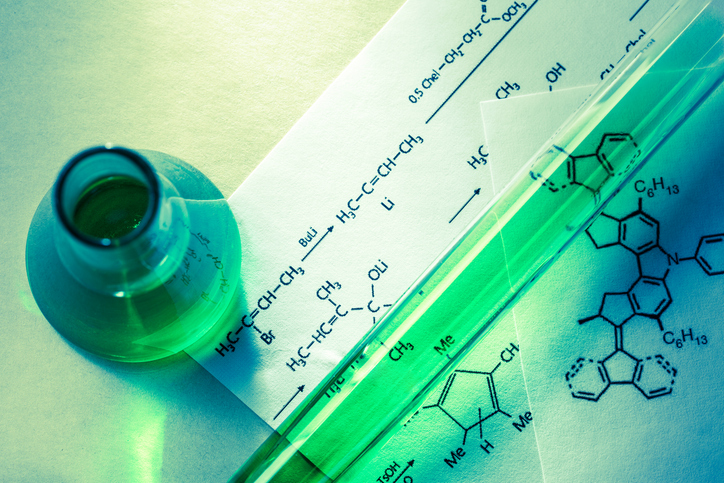
Sustainability doesn鈥檛 have to be a big project. Instead, make it a part of what science departments do daily, writes Deirdre Black

How can universities develop sophisticated systems for data sharing and analysis that can guide communications and student services? Alain Pompilus was tasked with putting such a system in place and shares lessons from the experience

Small-group discussions and one-to-ones can expand students鈥� capacity to act, think and communicate, writes Alastair Bonnett. Here, he offers a model for shifting university teaching from macro to micro
Europe has built an admirable research support system but there is one crucial stage that is overlooked 鈥� the early formation of researchers, writes Adam Kola. He offers examples from his own institution on how to address this
While making chemistry more sustainable is paramount, tiny changes to lab materials and conditions can have significant effects. Can AI鈥檚 data-crunching abilities help?
Educators might treat AI as an integrity problem, but employers don鈥檛. They need graduates who can decide when to trust the machine 鈥� and when not to. And that鈥檚 why you should design assessment that forces students to argue against AI
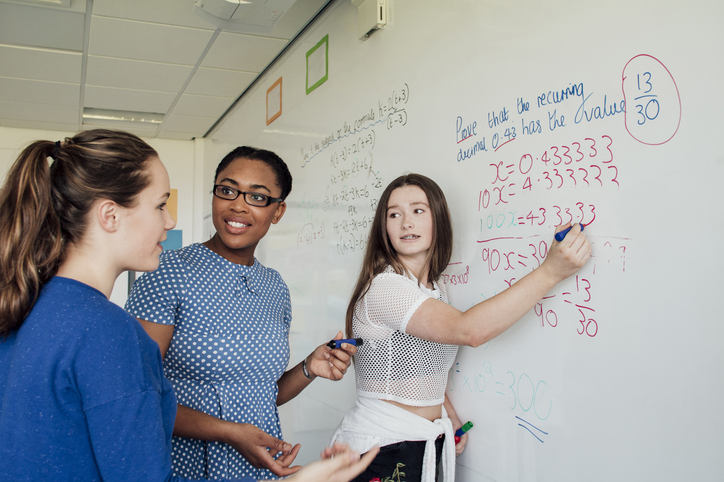
With school attainment a key driver of progression to university, outreach must go beyond traditional interventions to widen access. Matthew Lucas offers five evidence-led ways to design educationally robust programmes
At a time when universities are under increasing pressure to deliver social impact, they need systems that build research capacity, improve transparency and facilitate collaboration across disciplinary boundaries
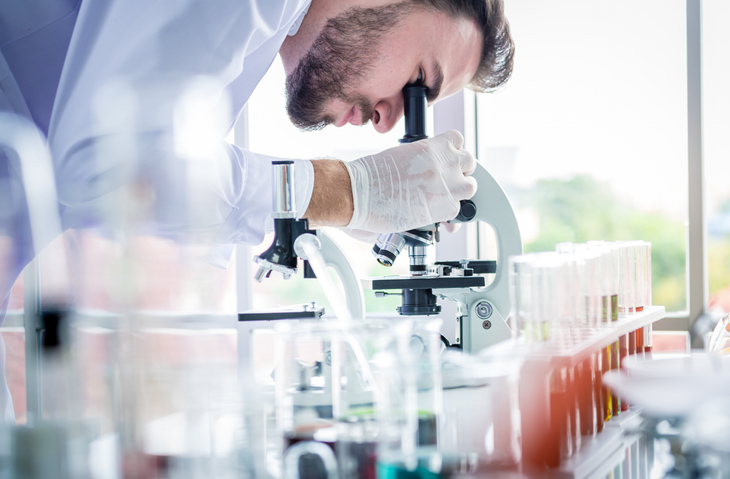
Sustainability can feel like yet another task for busy researchers. Here are ways to make greener research practices easier 鈥� and more memorable
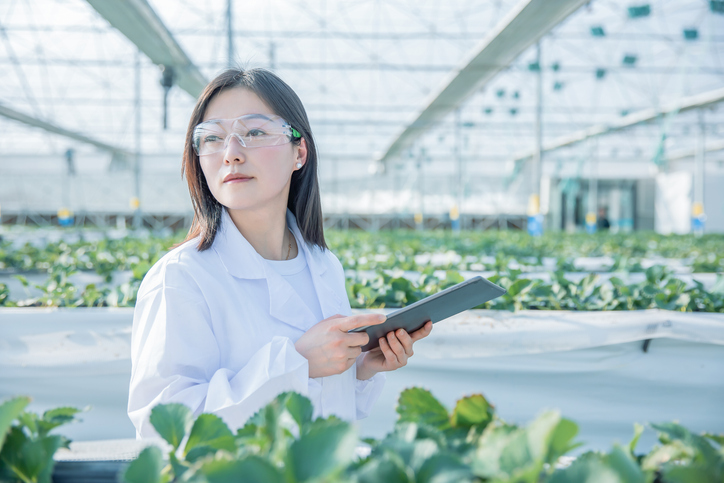
Academics are increasingly using AI for research, despite being aware of its environmental footprint. But is it their fault 鈥� and what can be done?

Virtual reality and artificial intelligence can support nervous students to progress from silence to speaking confidently in foreign language classes

What happens when you trade exams for real clients, real problems and real deadlines? Dina Kamel outlines the benefits of unscripted problem-solving

Eliminate waste, reap the benefits of a circular economy and aim for ambitious targets for greener laboratories, with these tips
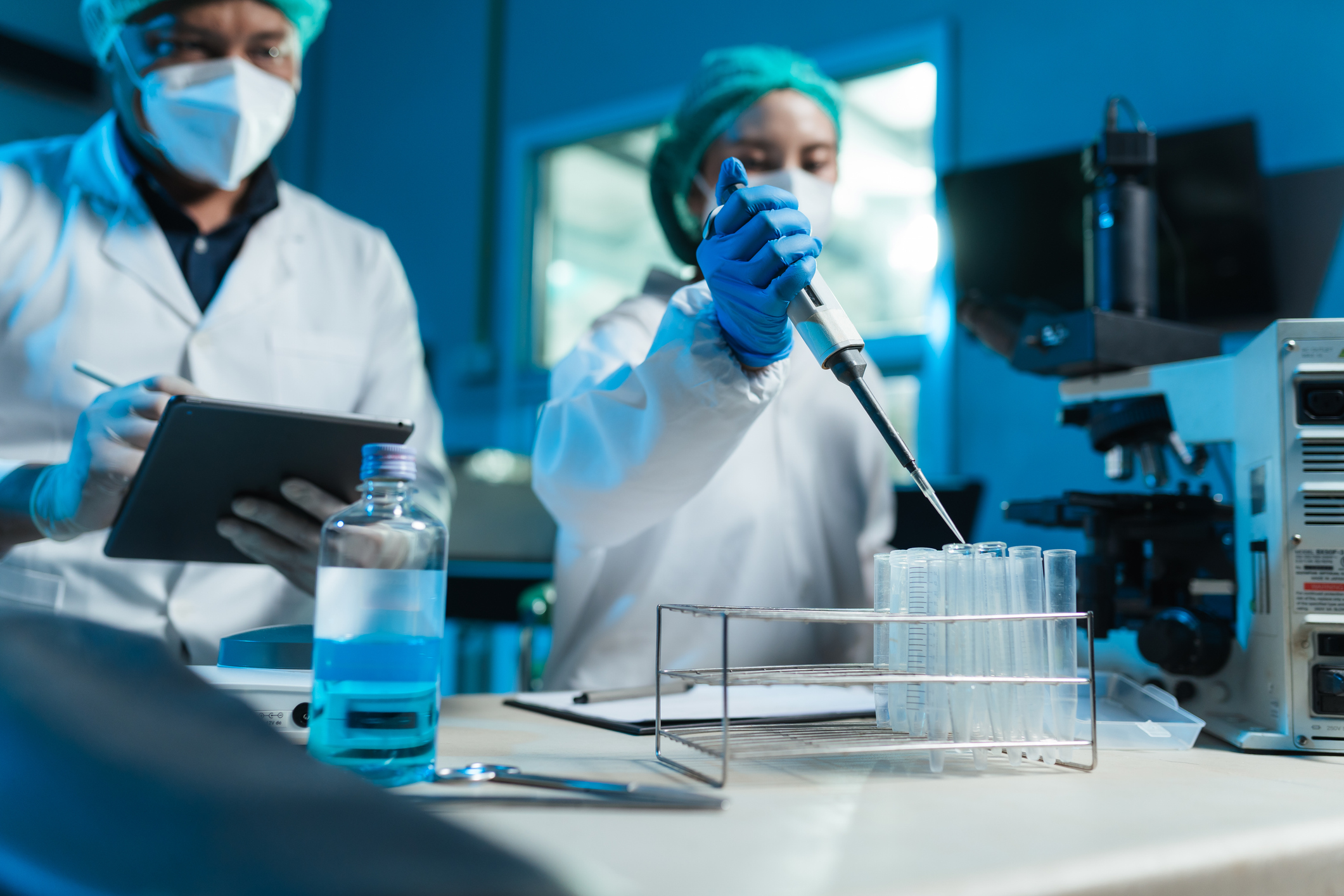
How to move beyond basic waste reduction to teaching students responsible decision-making in experimental work

To get a full picture of the impact of PPI, would it be better to focus on improving the process of involving people in health research as well as measuring outcomes?